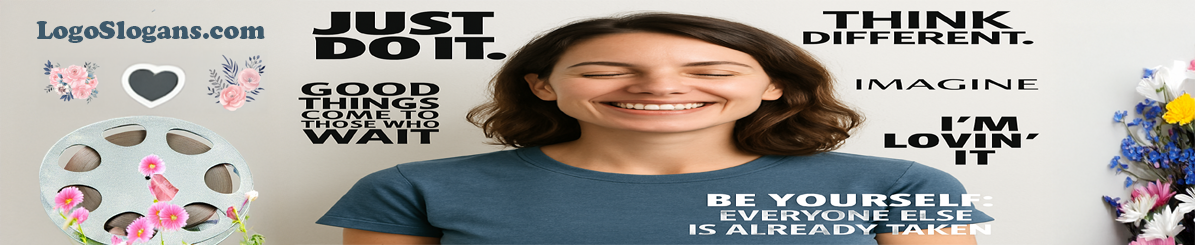
“Just Do It.” “Think Different.” “I’m Lovin’ It.” These three-word slogans have shaped the identities of some of the world’s most successful brands. But why do short slogans—especially those built around three words—carry such incredible power? The answer lies in psychology.
The Rule of Three in Human Memory
Our brains love patterns, and the number three is especially easy to process. Cognitive psychology shows that people remember information best when it’s grouped in threes. That’s why fairy tales say “three wishes” or “three little pigs.” In branding, three words feel balanced, complete, and easy to recall.
Emotion Packed into Fewer Words
Great slogans don’t describe products—they evoke emotions. By keeping the message short, brands force themselves to focus on impactful words. “Think Different” inspires innovation. “Open Happiness” invites joy. “Live Mas” encourages adventure. Each slogan uses simplicity to trigger emotional responses.
The Power of Action Words
Many of the best slogans use verbs, calling the audience to act. “Just Do It” is more than encouragement—it’s a challenge. Action words spark motivation, making the slogan not just memorable, but transformative.
How 3 Words Shape Brand Identity
- Clarity: Three words force precision, cutting through clutter.
- Consistency: Short slogans are easy to repeat across channels.
- Universality: Brevity makes translation and global adoption easier.
- Emotional Resonance: Concise phrases become mantras people can adopt personally.
Examples of 3-Word Slogans That Work
- Nike: “Just Do It” — Motivation distilled into three words.
- Apple: “Think Different” — A brand philosophy in two simple words.
- McDonald’s: “I’m Lovin’ It” — A feeling of joy tied to food.
- KFC: “Finger Lickin’ Good” — Evokes indulgence and satisfaction.
When Three Words Fail
Not every three-word slogan succeeds. If the words are generic or disconnected from the brand’s promise, they fall flat. For example, “Quality You Deserve” is forgettable because it lacks uniqueness and emotional pull.
Final Thoughts
The psychology of slogans proves one thing: fewer words often mean more power. Three words can inspire, motivate, and define entire generations of customers. The challenge for brands is choosing words that not only sound good together, but also reflect their true identity and values.
In branding, three words can indeed make—or break—a brand.
Logo Slogans Related Articles
- 10 Timeless Logo Slogans That Still Inspire Audiences Today
- 5 Branding Mistakes to Avoid When Pairing Logos with Slogans
- Catchy vs. Clever: What Really Works in Logo Slogans?
- From Sketch to Slogan: The Art of Crafting a Brand Identity
- Future Trends: AI, Minimalism, and the Next Wave of Logo Slogans
- Logo & Slogan Power: How the Right Combo Builds Unforgettable Brands
- Small Business Secrets: Affordable Ways to Design Logos and Slogans That Sell
- The Evolution of Famous Logo Slogans—And Lessons for Your Business
- The Psychology of Slogans: Why 3 Words Can Make or Break a Brand
- Why Your Logo Isn’t Complete Without the Perfect Tagline